Fremont, CA: As it examines the advantages and disadvantages of this sustainable energy source in addressing climate change, the contentious nuclear energy debate has drawn the interest of legislators, environmentalists, and the general public.
The other advantage nuclear energy presents is large-generation electricity with minimal environmental impact. Fission splits the nucleus of an atom to produce more energy than fossil fuels. Electricity produced by a nuclear plant is consistent and reliable because it releases very few greenhouse gases, paving the way for an alternative to coal, oil, and natural gas to reduce carbon emissions and control climate change.
Nuclear energy is reliable since it does not shut down operations like solar and wind resources, which depend on the weather. This is critical because electricity is available when needed, the grid remains stable, and the needs of contemporary society are met. Improvements in reactor technology include small modular reactors that seem to offer improvements in safety and efficiencies for the future.
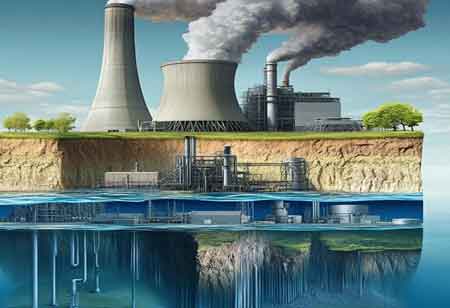
The negatives of nuclear energy cannot be ignored. Another susceptible matter is the management of radioactive waste. Spent fuel is generated as the spent atomic reactors stay hazardous for nearly thousands of years. Storage and disposal constitute significant challenges to safely handling and managing this waste. Several countries have implemented long-term storage strategies, particularly deep geological repositories, but risks of leaks or other accidents that might accompany this process must be taken very seriously. The main challenge to fully adopting nuclear energy is the need for a sustainable waste management solution.
The safety of nuclear power is a concern much needed because of the nuclear accidents at Chornobyl and Fukushima, which caused significant damage to public perceptions and trust. Obviously, with enhanced safety protocols and technology, there is still the potential for catastrophe with nuclear installations. There is a concern about exposure to radiation and its health implications in the long run. Even though modern reactors are thought out with safety in mind, there is still a chance of human error or a natural disaster that can breach nuclear safety.
High initial capital costs coupled with a period of consumption and capital-intensive projects discourage nuclear power plants from private investment for fear of financial loss. Government funding also becomes cumbersome. By this time, cost parity can be achieved between wind/solar power and fossil fuels, thus putting into question the economics of nuclear energy as it becomes a more cost-effective option in competition with wind and solar power.
Nuclear energy is a clean and reliable form of energy. However, with the main concerns over waste disposal and safety issues, atomic energy progress depends on whether it can resolve such complications while utilizing its advantages. Decisions about environmental problems, economic considerations, and social considerations will pave the way to a more sustainable future. Innovations in policies, openness, and collective collaborative action among governments, industries, and communities will help achieve this goal.