

Be first to read the latest tech news, Industry Leader's Insights, and CIO interviews of medium and large enterprises exclusively from Energy Tech Review
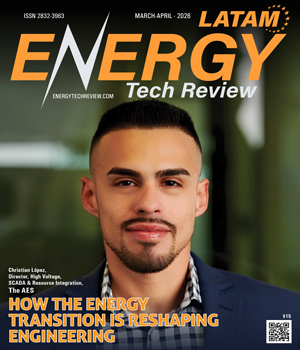
It is undeniable that we live in times of an energy transition. More frequently, we see the rising popularity of both solar and wind in the news, performing above expectations in markets with deep penetration. On May 8th, 2022, the sun shone and the wind blew, allowing renewables to produce 103% of California’s electricity demand. We also saw how renewable energy provided 30 to 40% of the state's needed power as temperatures soared into the triple digits last summer in Texas. The reality is that how we design and operate our power grids has changed forever due to the presence of Renewables. Gone are the days when vertically integrated systems with one-way power flow were the norm. Distributed Energy Resources (DERs) are here to stay. Hence, all stakeholders involved in the energy sector have had to reshape how we think, talk, and, more importantly, how we design and operate our power grids and plants. Engineering is no exception to this group; therefore, the thought process of how engineering teams should perform and operate must evolve to meet the new industry and market needs. At the center of any business decision, it is always imperative to understand what the business drivers and goals are. It would be very different to build an engineering team in an organization where the sole focus is selling engineering services as opposed to building an engineering team for an organization where operating power plants is the core business. In the latter, some or most of the engineering designs are expected to be outsourced, while in the former, engineering is expected to be performed in-house. Both types of organizations differ primarily in their business models; hence, this needs to be considered when shaping and defining the role of engineering. A successful foundation for any engineering team depends mainly on understanding the organization's goals and business model and using that input to acquire and shape the engineering skill sets needed to help the organizat
Sustainable Next Generation EV Charging Station Network
Edison XFC Corp. (“Edison”)was established to address “Charge Anxiety” experienced by Electric Vehicle (EV) drivers which is often cited as the main impediment to widespread EV adoption. The company develops game-changing Extreme Fast Charge (XFC) technology for public EV charging and aims to deliver a charging experience similar to fueling a gas tank. Selected as one of the Top 10 EV Charging Solutions Providers in 2025, Edison has taken a different approach from the mainstream Direct Current Fast-Charging (DCFC) solutions that rely solely on a direct grid connection to deliver power. Conventional charging stations draw power from the grid in real-time when an EV connects. This causes strain on the grid, and often results in high costs for power, since EVs typically connect during hours when electricity cost is highest. Additionally, because grid power arrives as Alternating Current (AC), traditional DCFC stations use multiple segments of AC and DC throughout the system to eventually deliver DC-based power to the EV. Each of these multiple conversions and adjustments results in power loss and reduced efficiency. Edison utilizes a Battery Energy Storage System (BESS) that acts as a reservoir to hold energy and to deliver on-demand DC power to an EV. The BESS is charged via DC current from a photovoltaic array and is only augmented with grid power overnight when electricity cost and demand is low. Edison’s unique approach effectively bypasses grid constraints and ensures an experience like fueling an Internal Combustion Engine (ICE) vehicle.

Battery Storage Solution

Just as ‘Qi’—the inner energy that flows through all living things and sustains them—QiOn , an energy technology solutions company, creates innovative energy solutions that power the progress of electric mobility, driving ‘On’ a path toward a smarter, more sustainable future. This is exactly what stands for. Its four specialized divisions work seamlessly together to address every aspect of the electric vehicle (EV) charging and energy management ecosystem. The electric vehicle supply equipment (EVSE) division focuses on developing and delivering comprehensive EV charging infrastructure, offering a wide range of chargers designed to meet different needs. AC chargers, which range from seven to 44 kilowatts (kW), provide standard charging solutions for everyday EV use. For faster charging, the DC chargers deliver power from 30 kW to three megawatts (MW), significantly speeding up the charging process. The V2G chargers allow energy to flow from the charger to the vehicle and from the vehicle back to the grid. This bi-directional energy flow is a revolutionary approach that supports grid stability while giving EVs a more active role in energy management. “Our chargers are built for durability and ease of use, offering industry-leading warranties of five to ten years. With IP ratings of IP65 and IP66, they can withstand harsh environmental conditions, from scorching deserts to damp marine settings, ensuring both reliability and longevity,” says Ludovico Finotto, founder and CEO. Complementing this robust product lineup, QiOn’s grid optimization (GO) division plays a crucial role in advancing energy efficiency. Using battery energy storage systems (BESS) with capacities from 200 kW to four MW, the division enhances energy storage and distribution capabilities. Whether through implementing load shaving to cut costs and prevent grid overloads or by integrating energy storage systems with solar fields and charging stations, the GO division effectively empowers the charging infrastructure necessary for electric trucks, buses and public transport. The special electrical development division takes innovation a step ahead by integrating energy storage with charging technology. It produces battery-powered chargers that combine the energy source and charging system into one unit. This offers a more streamlined solution to meet the growing energy demands of EVs and other applications Driving these innovations is the Qinnosys Innovation System, the technological backbone of QiOn’s ecosystem. From creating customized platforms to managing the operational needs of charging networks, Qinnosys integrates systems, monitors energy flow and tracks carbon emissions. Simplifying the management of charging networks for businesses and governments, it ensures QiOn remains at the forefront of sustainable innovation, paving the way for a greener, smarter future. Started as a research company focused on developing next-generation charging infrastructure for electric mobility and new energy applications, QiOn is now an industry leader with its innovative solution that delivers three MW through a single plug. With its upcoming Qinnoysis software powered by AI, it is taking the future of energy to the next level, optimizing grid metering, battery storage and EVSE chargers, while enabling intelligent energy trading to unlock maximum efficiency and profitability.
Energy Transition Platform
Across the globe, the energy sector is undergoing a profound transformation as countries pursue decarbonization and cleaner energy sources. Brazil is no exception. With vast potential in wind, solar, and hydropower, the country has already achieved a notably clean energy mix. Yet the real challenge lies in ensuring that the national grid remains reliable and cost-effective. Without that foundation, even the most ambitious sustainability goals can falter. Natural Energia has made this reliability challenge central to its mission—helping Brazil balance its clean energy ambitions with the need for a consistent, stable power supply for industries, cities, and consumers. Founded over a decade ago by experienced professionals from Brazil’s energy sector, the company has led the development of power generation projects totaling more than 4 GW in capacity, spanning technologies such as wind, solar, and natural gas. What sets Natural Energia apart is its technical expertise and its ability to anticipate market dynamics—acting ahead of policy shifts or demand spikes. Whether in wind, solar, dispatchable energy like natural gas, or energy storage, Natural Energia doesn’t just participate in the market—it shapes it. When stress on the national grid began to surface, the company was already advancing flexible natural gas projects, recognizing early on that Brazil’s energy reliability would depend on sources capable of responding on demand—not just when the wind blows or the sun shines. “We don’t follow trends. In fact, we anticipate them, prepare in advance, and deliver solutions that support the entire power system—from consumers to national utilities,” says Ricardo Martins, CEO and founding partner of Natural Energia. Strategic Intelligence Through Data and Experience Natural Energia’s competitive edge lies in its ability to identify opportunities others might overlook—thanks to its proprietary geo-intelligence platform. This system converts complex datasets into clear, actionable insights by integrating environmental data, infrastructure availability, regulatory trends, and market forecasts into an interactive geographic interface. It enables the team to anticipate market shifts and identify high-potential energy projects long before demand materializes, says Bruno Karrer, Business Development Director and partner at Natural Energia.

CXO INSIGHTS

How Recent Technological Advancements are Paving the Way to an Energy-Efficient Future
Seth Little, Director, Market Development and Partnerships, CLEAResult

The Offshore Green Energy Chain
Adnane Bennani, Battery Storage Service Bid and Project Manager, Siemens Energy
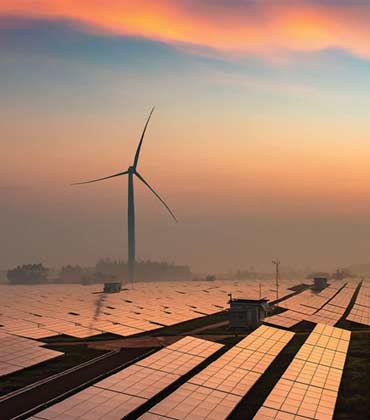
Policies And Technologies Driving Clean Energy Transition In The U.S.
Brendan Andrews, Vice President of Sales, Energy & Renewables, Bureau Veritas group America [EPA: BVI]

The Evolution and Integration of Renewable Energy
Jim Helvig, P.E., Vice President of Operations, Dashiell Corporation

Investment Is The Key To A Clean Energy Future
Leslie Myers, Product Manager, Renewables, Puget Sound Energy

Transforming the Green Tech Industry With Low Carbon Energy
M. Douglas Dagan, Senior Vice President - Renewable Energy, Suburban Propane

The Future of Electric Utilities
Roderick Conwell, Senior Director of Operations, the AES Corporation


IN FOCUS

Advancing Battery Storage Growth and Opportunities in Latin America Energy Markets
Battery storage is accelerating renewable integration, strengthening grid reliability, lowering energy costs, and creating new opportunities across sectors.
Policy and Investment Trends Fueling Clean Energy Growth in Latin America
Policy reforms, renewable auctions, and growing private investment are accelerating the expansion of clean energy in Latin America, supported by corporate demand and infrastructure modernization.
EDITORIAL
How The Energy Transition Is Reshaping Engineering
The global energy landscape is entering a decisive phase of transformation as nations accelerate the shift toward cleaner, more resilient power systems. Across Latin America, this transition is unfolding with remarkable momentum as governments, utilities and private sector innovators work to balance sustainability goals with energy security and economic growth. At Energy Tech Review, we continue to spotlight the technologies, policies and engineering approaches shaping this new energy ecosystem and enabling the region to build reliable infrastructure while reducing environmental impact.
One of the defining features of the modern energy sector is the integration of renewable power with intelligent energy management. Solar and wind resources are expanding rapidly, yet their variability requires new strategies to maintain grid stability. Energy storage, advanced charging infrastructure and digital energy management platforms are emerging as critical components that help balance supply and demand while improving operational efficiency. These innovations enable power systems to store excess renewable generation and deliver electricity precisely when needed, strengthening grid reliability.
Equally important is the growing role of data driven decision making in the development of energy infrastructure. Modern energy projects increasingly rely on advanced analytics, geographic intelligence and predictive modeling to identify optimal locations, assess long term demand and mitigate operational risks. By combining engineering expertise with strategic market insight, organizations can deploy energy assets with greater precision and ensure that new projects align with both environmental objectives and evolving market needs.
Looking ahead, the energy transition will depend on close collaboration between technology providers, policymakers and industry stakeholders. Innovation alone cannot drive change without supportive regulation, resilient supply chains and a skilled workforce capable of building and operating next-generation energy systems. As highlighted throughout this issue of Energy Tech Review, the path forward lies in combining technological progress with thoughtful policy frameworks and strong industry partnerships. Together, these forces will continue to shape a smarter, cleaner and more dependable energy future for the region and the world.

