
Rethinking a Century of Ammonia Production
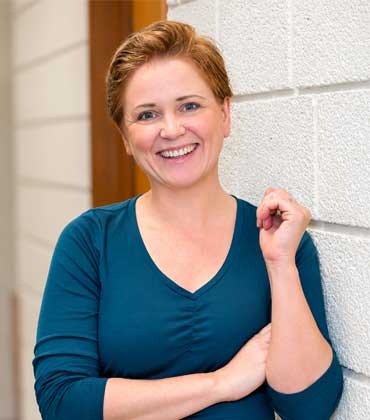
Through my journey of exploring the meaning of life the past 40 years I have realized that my intentions have always and will continue to be, to leave this world in a slightly better state than it was when I arrived. I have found a really strong and compelling opportunity in doing so through chemistry. Chemistry and chemical processes are the greatest pillars of the quality of life humanity has invented. Everything is chemistry and chemistry is everything, and when we use it to our advantage it is magical.
During my graduate studies I was told that chemistry had been solved and now the future would lie in organic and biochemistry. Everything in chemistry had been invented. I was however quite interested in learning chemistry as such and did not fully believe this absolute statement.
Just a few years later it was quite clear that we need to reinvent a significant proportion of the industrial chemistry as we know it today and reduce the impact of carbon on these processes. And to make things a bit more complicated, we also need the novel chemical processes that need electricity to be intermittent, to allow for irregular operation to consume as much of the renewable energy we can produce and thus maximize the infrastructure efficiency.
That is from where the nitrogen electrolyser technology was born.
The process used for ammonia production the past 100 years utilizes natural gas as a raw material for hydrogen production and subsequently reacts the hydrogen with nitrogen. It is responsible for more than 400 million tonnes of CO2 emissions every year.
I was fascinated by the opportunity to find a novel chemical solution to the production of this vital molecule.
I was lucky enough that my friend and co-founder Egill Skúlason had just moved back to Iceland and started his research at the University of Iceland on an electrocatalytic process for ammonia synthesis. At the same time I was working at the Innovation Center Iceland, where I was using a highly sensitive methodology for quantifying ammonia in aqueous solutions. We decided to collaborate on this project. After a couple of years of collaboration we founded the company and have been working on this project since.
The Energy Challenge behind Commercial Viability
The key technical challenge is to minimize the energy demand of this process. The current energy demand is still too high and it will therefore not be utilized as is. This is our current and most urgent goal. Now that we have demonstrated electrocatalytic ammonia production in an AEM electrolyser, the next step is to optimize the myriad of process parameters that are available to us. This is not an easy task but we have the expertise needed to perform it and see that we can do this within the next 15 months, reaching as low as 40 megawatt-hours per tonne, with a long term goal of 12 megawatt-hours per tonne. We have designed a DoE pathway including Machine Learning where these parameters will be optimized through the minimum number of experiments.
Regarding commercial challenges, our discussions with farmers, farming communities and other stakeholders have demonstrated that the market is ready for distributed ammonia production. In fact, the market has been eagerly waiting for such a solution. Therefore we do not see a big market challenge other than the challenge of scaling fast enough. However, there will be regulatory challenges, in each country or regulatory environment, permit pathways and regulations on small scale ammonia production must be created. This technology has not existed before and therefore the need for such regulations has not existed until now. We have already started working in this direction and have a team dedicated to creating a permit pathway in the following years.
Bridging Innovation, Investment and Regulation
This question will get a different answer depending on the technology and market of interest. In our case there are three important steps needed in addition to the technical development–investment, partnering and a permit pathway. We can feel a very strong interest from farmers and we know that the market is there and through focus groups with farmers we can design our system to ensure a rapid and widespread market uptake.
From Fertilizers to the Future of E-Fuels
Our first market will be the fertilizer market, with established use cases and a strong existing market it is a clear pathway.
The second market includes other industries that use less than 150 tonnes of ammonia annually. These industries are, similar to farmers, at the mercy of ammonia prices and are interested in independent production.
Finally the e-fuel market will take off in the following decade and we aim to scale our system further to enter the e-fuel market as the market emerges.
Why Breakthrough Innovation Takes a Team
Reach out to people who have experience in the field and learn from them, get advice from mentors on how to take the next steps and build a team you can count on and you enjoy working with. Innovation and startup is a team effort.
Through my journey of exploring the meaning of life the past 40 years I have realized that my intentions have always and will continue to be, to leave this world in a slightly better state than it was when I arrived. I have found a really strong and compelling opportunity in doing so through chemistry. Chemistry and chemical processes are the greatest pillars of the quality of life humanity has invented. Everything is chemistry and chemistry is everything, and when we use it to our advantage it is magical.
During my graduate studies I was told that chemistry had been solved and now the future would lie in organic and biochemistry. Everything in chemistry had been invented. I was however quite interested in learning chemistry as such and did not fully believe this absolute statement.
Just a few years later it was quite clear that we need to reinvent a significant proportion of the industrial chemistry as we know it today and reduce the impact of carbon on these processes. And to make things a bit more complicated, we also need the novel chemical processes that need electricity to be intermittent, to allow for irregular operation to consume as much of the renewable energy we can produce and thus maximize the infrastructure efficiency.
That is from where the nitrogen electrolyser technology was born.
The process used for ammonia production the past 100 years utilizes natural gas as a raw material for hydrogen production and subsequently reacts the hydrogen with nitrogen. It is responsible for more than 400 million tonnes of CO2 emissions every year.
I was fascinated by the opportunity to find a novel chemical solution to the production of this vital molecule.
I was lucky enough that my friend and co-founder Egill Skúlason had just moved back to Iceland and started his research at the University of Iceland on an electrocatalytic process for ammonia synthesis. At the same time I was working at the Innovation Center Iceland, where I was using a highly sensitive methodology for quantifying ammonia in aqueous solutions. We decided to collaborate on this project. After a couple of years of collaboration we founded the company and have been working on this project since.
The Energy Challenge behind Commercial Viability
The key technical challenge is to minimize the energy demand of this process. The current energy demand is still too high and it will therefore not be utilized as is. This is our current and most urgent goal. Now that we have demonstrated electrocatalytic ammonia production in an AEM electrolyser, the next step is to optimize the myriad of process parameters that are available to us. This is not an easy task but we have the expertise needed to perform it and see that we can do this within the next 15 months, reaching as low as 40 megawatt-hours per tonne, with a long term goal of 12 megawatt-hours per tonne. We have designed a DoE pathway including Machine Learning where these parameters will be optimized through the minimum number of experiments.
-
We can feel a very strong interest from farmers and we know that the market is there and through focus groups with farmers we can design our system to ensure a rapid and widespread market uptake.
Regarding commercial challenges, our discussions with farmers, farming communities and other stakeholders have demonstrated that the market is ready for distributed ammonia production. In fact, the market has been eagerly waiting for such a solution. Therefore we do not see a big market challenge other than the challenge of scaling fast enough. However, there will be regulatory challenges, in each country or regulatory environment, permit pathways and regulations on small scale ammonia production must be created. This technology has not existed before and therefore the need for such regulations has not existed until now. We have already started working in this direction and have a team dedicated to creating a permit pathway in the following years.
Bridging Innovation, Investment and Regulation
This question will get a different answer depending on the technology and market of interest. In our case there are three important steps needed in addition to the technical development–investment, partnering and a permit pathway. We can feel a very strong interest from farmers and we know that the market is there and through focus groups with farmers we can design our system to ensure a rapid and widespread market uptake.
From Fertilizers to the Future of E-Fuels
Our first market will be the fertilizer market, with established use cases and a strong existing market it is a clear pathway.
The second market includes other industries that use less than 150 tonnes of ammonia annually. These industries are, similar to farmers, at the mercy of ammonia prices and are interested in independent production.
Finally the e-fuel market will take off in the following decade and we aim to scale our system further to enter the e-fuel market as the market emerges.
Why Breakthrough Innovation Takes a Team
Reach out to people who have experience in the field and learn from them, get advice from mentors on how to take the next steps and build a team you can count on and you enjoy working with. Innovation and startup is a team effort.