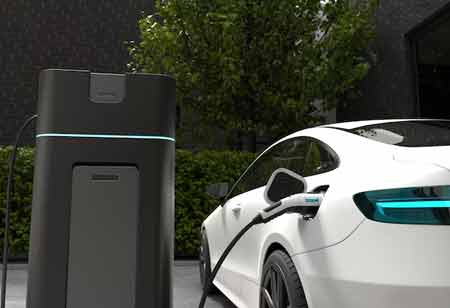
Fremont, CA: The automobile industry is changing in the direction of a cleaner, more sustainable future due to the quick uptake of electric vehicles. The requirement for additional charging stations is the first of several obstacles that still need to be overcome in order to provide dependable and easily accessible charging infrastructure.
Although the number of public chargers is growing, many rural or less densely populated areas still need more convenient access to charging points. It creates range anxiety for EV owners, who fear that they may run out of power before reaching a charging station. Availability is a challenge in urban areas where most EV owners live. Public charging stations may be scarce, or existing stations may be occupied during peak times, leading to long wait times. Unlike traditional gasoline refueling, which takes only a few minutes, charging an EV can take significantly longer, depending on the type of charger.
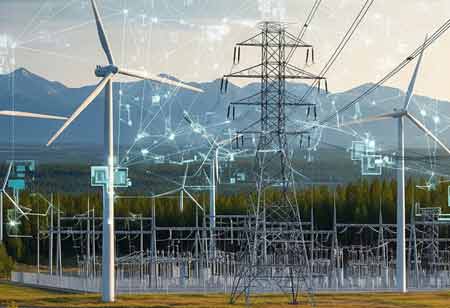
As the number of EVs on the road increases, so does the demand for electricity to charge them. A significant increase in EV charging could lead to power outages or brownouts if multiple vehicles charge simultaneously during peak demand. It raises concerns about the capacity of the existing power grid to support widespread EV adoption. The growing demand for electricity from EVs may require utilities to invest in grid upgrades, such as improving power transmission systems, adding renewable energy sources, or installing smart grids to manage power distribution better. Upgrading the grid and expanding renewable energy capacity requires significant financial investment and long-term planning.
While home chargers are manageable for many EV owners, public charging stations and high-speed chargers are expensive to install and maintain. It is partly due to the costs of acquiring land, obtaining permits, and connecting charging stations to the power grid, particularly in areas with limited electrical capacity. The cost of developing and installing EV charging infrastructure remains a substantial hurdle. For businesses or governments, the return on investment (ROI) for installing charging stations can be slow, as the current number of EV users may still need to justify the cost of the infrastructure.