


Electric vehicles (EVs) are changing transportation around the world, and this growth is creating new needs for power infrastructure. As governments, businesses, and consumers accelerate EV adoption, charging networks must evolve to deliver reliable, efficient, and scalable services. Across Europe, where EV adoption is expanding rapidly due to strong policy support and sustainability goals, charging infrastructure is becoming a critical priority.
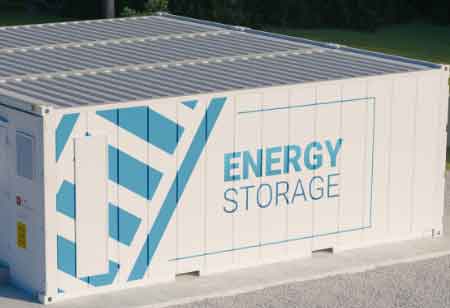
Battery storage charging station software companies have emerged as key players in this ecosystem, providing digital platforms that manage energy storage, charging operations, and grid connectivity. Modern EV charging infrastructure is no longer just about hardware deployment. It increasingly relies on intelligent software platforms that coordinate charging schedules, monitor battery performance, and optimise energy usage across multiple charging points.
Market Trends Driving Battery Storage Charging Station Software Adoption
The EV infrastructure sector is undergoing rapid transformation, driven by several technological and market trends that are increasing demand for advanced software platforms. One major trend is the expansion of EV charging networks across urban centres, highways, and commercial facilities. As charging stations multiply, operators require centralised software systems that can monitor multiple sites simultaneously.
Battery storage charging station software platforms enable real-time visibility into energy usage, charger availability, and system performance. This trend is particularly visible in Europe, where government incentives and clean mobility initiatives are supporting large-scale EV charging deployments.
Another important trend is the incorporation of renewable energy sources. Many charging networks are integrating solar or wind power into their operations. Battery storage systems store excess renewable energy and release it during peak charging demand. Software platforms play a vital role in managing these energy flows, ensuring efficient use of renewable resources while maintaining stable charging operations.
Grid stability concerns are also encouraging the adoption of battery storage management software. High volumes of EV charging can create sudden spikes in electricity demand. Intelligent software helps balance load by controlling charging rates and utilising stored energy during peak periods, reducing pressure on the electrical grid.
“Data-driven software platforms are enabling charging operators to forecast demand, optimize station performance and support long-term infrastructure planning.”
Additionally, data-driven infrastructure management is becoming increasingly important. Charging network operators rely on analytics to understand usage patterns, forecast demand, and optimise station placement. Battery storage charging station software provides advanced reporting and predictive insights that support smarter operational planning, particularly as EV adoption expands across regions such as Europe.
Operational Benefits of Battery Storage Charging Station Software Platforms
Battery storage charging station software platforms deliver several operational advantages that improve the efficiency and reliability of EV charging networks. One key benefit is energy cost optimisation. Electricity prices often fluctuate throughout the day. Software platforms enable operators to store energy when prices are low and use it during high-demand periods, thereby reducing overall charging costs.
Another major advantage is enhanced grid resilience. Battery storage systems managed through intelligent software can provide backup power during grid disruptions or outages. This capability ensures that charging stations remain operational even during unexpected power interruptions.
These platforms also enable dynamic load management. By controlling how electricity is distributed across multiple charging points, the software prevents network overload and ensures that all vehicles receive efficient charging without compromising grid stability.
Remote monitoring and diagnostics represent another valuable capability. Operators can track battery health, charger performance, and system efficiency from centralised dashboards. Early detection of faults or inefficiencies helps reduce maintenance costs and minimise downtime.
In addition, software solutions support scalability and network expansion. As charging networks grow, operators can easily integrate new stations and battery storage systems into existing platforms without significant infrastructure changes.
Emerging Technologies Transforming Battery Storage Charging Software
Technological innovation is rapidly advancing the capabilities of battery storage charging station software platforms. One of the most influential developments is the integration of AI and ML. AI-powered systems analyse historical charging patterns, weather data, and grid conditions to predict energy demand and automatically optimise charging schedules. This predictive approach improves efficiency while reducing operational costs. Another important innovation is vehicle-to-grid (V2G) integration. V2G technology allows EV batteries to send stored electricity back to the grid when needed. Advanced software platforms coordinate these energy exchanges, helping utilities stabilise power networks during peak demand periods.
Cloud-based infrastructure management is also transforming the industry. Cloud platforms allow operators to monitor charging stations, update software, and analyse performance data across large networks in real time. This centralised control simplifies management and supports rapid infrastructure scaling.
Cybersecurity is also becoming a major focus. The development of interoperable charging platforms is improving ecosystem integration. Modern software solutions support multiple charging standards and hardware vendors, enabling charging operators to build flexible, vendor-neutral infrastructure.
Battery storage charging station software companies are becoming central to the development of intelligent EV infrastructure. As electric vehicle adoption accelerates worldwide, especially across rapidly electrifying markets such as Europe, the importance of smart charging software will continue to grow. Through advanced software solutions and strategic energy management tools, these companies are helping build the resilient, efficient, and scalable charging networks needed for the next generation of mobility.